Popular Articles
The End of Traditional Classrooms: What Comes Next
Traditional classrooms are no longer the default model for effective education. This expert article explores why lecture-based, location-bound learning is being replaced by hybrid, digital, and skill-based education models. Learn how universities and companies are redesigning learning around personalization, flexibility, and real-world outcomes, with practical examples from institutions like Arizona State University, Harvard, Coursera, and Google. Ideal for educators, policymakers, and edtech leaders planning the future of learning.
The Future of Education
How AI Tutors Are Personalizing Education
AI tutors are changing how education adapts to individual learners by personalizing content, pace, and feedback in real time. This expert guide explains how AI tutoring systems work, the technologies behind adaptive learning, and why many personalization efforts fail in practice. Learn from real platforms like Duolingo, Khan Academy, Coursera, and Carnegie Learning, with concrete data, case studies, and implementation strategies. Designed for educators, edtech founders, and decision-makers seeking scalable, evidence-based personalized education.
The Future of Education
Adaptive Learning Systems: Personalized Education
In a traditional classroom, thirty students may receive the same lesson—but absorb it in thirty different ways. Some excel, some struggle, some disengage. This mismatch between teaching methods and learning diversity has long been a weakness of standardized education. But today, thanks to adaptive learning systems powered by artificial intelligence, we’re entering an era where education learns from the learner. These systems use real-time data to tailor content, pace, and feedback to individual needs—turning every lesson into a personalized experience. This evolution isn’t just technical—it’s philosophical. Education is shifting from a static delivery model to a dynamic, student-centered dialogue.
The Future of Education
Gamification in Learning: Does It Really Work?
The traditional classroom is under pressure. In an age of on-demand entertainment, short attention spans, and constant digital feedback, static lectures and standardized tests increasingly feel out of sync. Engagement is waning. Dropout rates are rising. Meanwhile, the global economy demands adaptive, self-driven learners. Into this crisis enters gamification—the idea that if we borrow mechanics from games (points, levels, rewards), we can reignite curiosity, motivation, and participation in learning. The pitch is seductive: make learning feel like play, and students will come back for more. But does it really work? Or are we simply slapping game badges onto broken systems?
The Future of Education
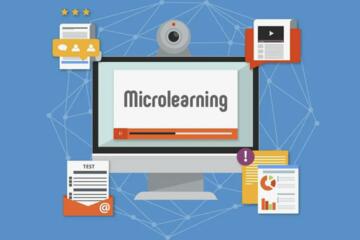
Microlearning: The Future of Skill Development
In an age where technological progress outpaces traditional education and attention spans are shrinking, microlearning emerges not as a buzzword, but as a necessity. From corporate training rooms to mobile learning apps, it reflects a seismic shift in how we acquire and retain knowledge. As industries race to reskill their workforce amidst automation and digital transformation, microlearning offers a nimble, personalized, and time-efficient approach. This evolution is not merely educational—it’s societal, altering how we define expertise, adapt to change, and democratize access to knowledge in a hyperconnected world.
The Future of Education
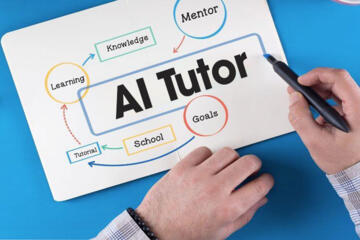
AI Tutors: Revolution or Risk?
The rapid emergence of AI in education has sparked both excitement and concern. With AI tutors now capable of personalizing learning experiences, answering complex questions, and even offering emotional support, the classroom of the future looks radically different. But with such potential also comes the question: are we handing over too much? This article dives into the transformative power of AI tutors, the societal shifts they bring, and the nuanced risks they pose to students, teachers, and learning itself.
The Future of Education