From Chalkboards to Chatbots: How We Got Here
The education system has always evolved—albeit slowly. For decades, chalkboards and lectures reigned supreme. In the 2000s, blended learning brought computers into classrooms. Then came MOOCs (Massive Open Online Courses), followed by mobile learning apps. Today, we’re entering the age of AI tutors—virtual educators powered by algorithms that adapt to students in real time.
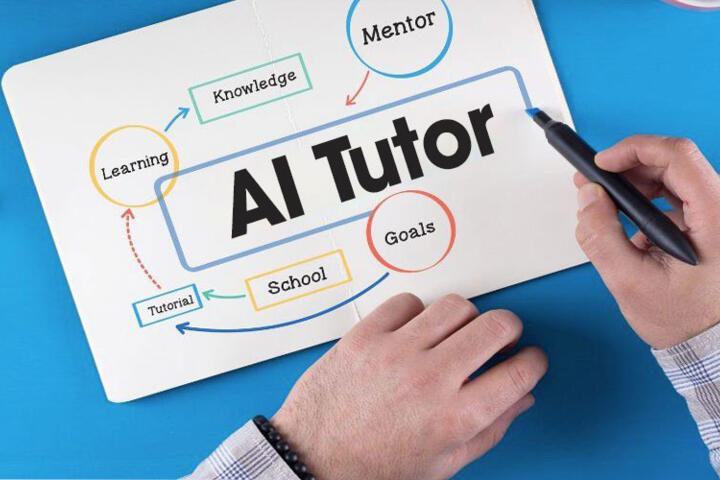
The timeline above shows how learning has moved from generalized classroom instruction to increasingly personalized digital experiences. And AI tutors represent the next leap forward.
What Makes AI Tutors So Powerful?
AI tutors differ from traditional learning tools in three key ways:
1. Personalization at Scale
Unlike one-size-fits-all lessons, AI tutors adapt to each learner’s pace, style, and level. Platforms like Khanmigo and Socratic by Google offer explanations tailored to how a student learns best—visual, textual, or step-by-step.
Example: A struggling math student might get extra practice problems and simpler breakdowns, while an advanced learner is pushed toward more complex applications.
2. Real-Time Feedback
AI doesn’t need to wait until next week’s quiz to evaluate progress. It provides instant feedback and suggestions, allowing students to correct mistakes as they go.
3. 24/7 Access and Patience
Unlike human tutors, AI is available anytime and never loses patience. This is especially helpful for students who learn at non-traditional hours or struggle with anxiety in classroom settings.
Why Society Is Embracing the Shift
Several trends are accelerating the adoption of AI in education:
| Trend | Impact on AI Tutors |
| Remote learning post-COVID | Increased demand for digital tools |
| Rising tutoring costs | AI offers free or affordable alternatives |
| Personalized learning demand | Parents seek solutions beyond school walls |
| Tech-savvy Gen Z & Alpha | Students already comfortable with AI |
Educators, too, are benefiting. AI tutors can automate grading, recommend resources, and free up time for more hands-on teaching.
So, What’s the Catch?
While AI tutors bring undeniable advantages, they also pose serious questions—and potential dangers.
1. Over-Reliance on Technology
If students come to depend entirely on AI, will they still learn how to think critically without it?
Imagine a world where students skip reading the problem and go straight to asking the chatbot for an answer.
2. Bias and Misinformation
AI tools learn from data—some of which may be flawed or biased. If not carefully curated, they might reinforce harmful stereotypes or provide inaccurate explanations.
3. Data Privacy Concerns
With AI tutors collecting performance data, there’s growing unease about how that data is stored, used, or sold.
4. Reduced Human Interaction
Learning is also social. Peer discussion, group projects, and teacher mentorship shape more than academic skills—they build empathy, teamwork, and emotional intelligence. AI can't fully replicate this.
Human Teachers + AI Tutors: A Powerful Duo
The ideal future isn’t AI replacing teachers—but AI enhancing them. Think of AI tutors as assistants, not replacements.
-
Teachers focus on creativity, mentorship, and emotional support
-
AI handles repetitive tasks and offers scalable, personalized content
As one educator put it: “AI teaches the material, I teach the student.”
What Should Schools and Parents Do?
To integrate AI tutors effectively and ethically, a few strategies stand out:
-
Use AI as a supplement, not a substitute.
Encourage students to think independently before seeking AI help. -
Set clear boundaries.
Establish guidelines around AI use for assignments and testing. -
Teach AI literacy.
Students need to understand how AI works—and where it can go wrong. -
Prioritize privacy.
Only use tools that follow strict data protection standards.
Looking Ahead: Will AI Tutors Reshape Education Forever?
AI tutors are not a passing fad—they’re a glimpse into a future where education is more accessible, tailored, and efficient. Yet with that power comes responsibility.
The big takeaway?
AI tutors are a revolution in learning—but only if we use them wisely. By blending the best of human and machine, we can create an educational system that empowers every student—without sacrificing the human connection that makes learning truly meaningful.