Why Everyone Should Learn Data Literacy

2 min read

1

Every tap, click, swipe, purchase, share, and search contributes to the largest human dataset ever created. We live in a world where data is constantly generated—but rarely understood. From the news we consume to the jobs we pursue, data shapes our daily lives in subtle and profound ways. And yet, most people treat data like they once treated Latin: useful only to specialists in lab coats or finance towers.

That’s a dangerous myth.

In today’s economy, data literacy is not about becoming a data scientist. It’s about knowing how to ask the right questions, spot manipulation, and make better decisions—whether you're a teacher, designer, manager, or citizen. As AI and automation reshape the job market, data fluency is becoming the new reading and writing.

🔍 What Is Data Literacy, Really?

It’s not Excel shortcuts or statistics jargon. Data literacy means:

  • Interpreting charts and dashboards

  • Understanding probabilities and trends

  • Questioning the source, method, and bias

  • Using data to tell compelling stories or make decisions

Think of it as critical thinking for the data age.

đź’Ľ Careers Are Changing—So Are the Skills

You don’t need to work in tech to need data. Here’s how data literacy is becoming foundational in unexpected careers:

đź“‹ [List: How Data Literacy Is Transforming Jobs]

  • Marketing Manager → Analyzes campaign metrics and A/B tests

  • HR Specialist → Interprets retention data and engagement scores

  • Journalist → Investigates public datasets and builds visual explainers

  • Sales Rep → Tracks performance pipelines, predicts churn

  • Healthcare Worker → Understands risk models, patient trends

  • Educator → Evaluates student learning outcomes and adapts materials

  • City Planner → Uses traffic and demographic data for public projects

🌍 Data Skills = Career Resilience

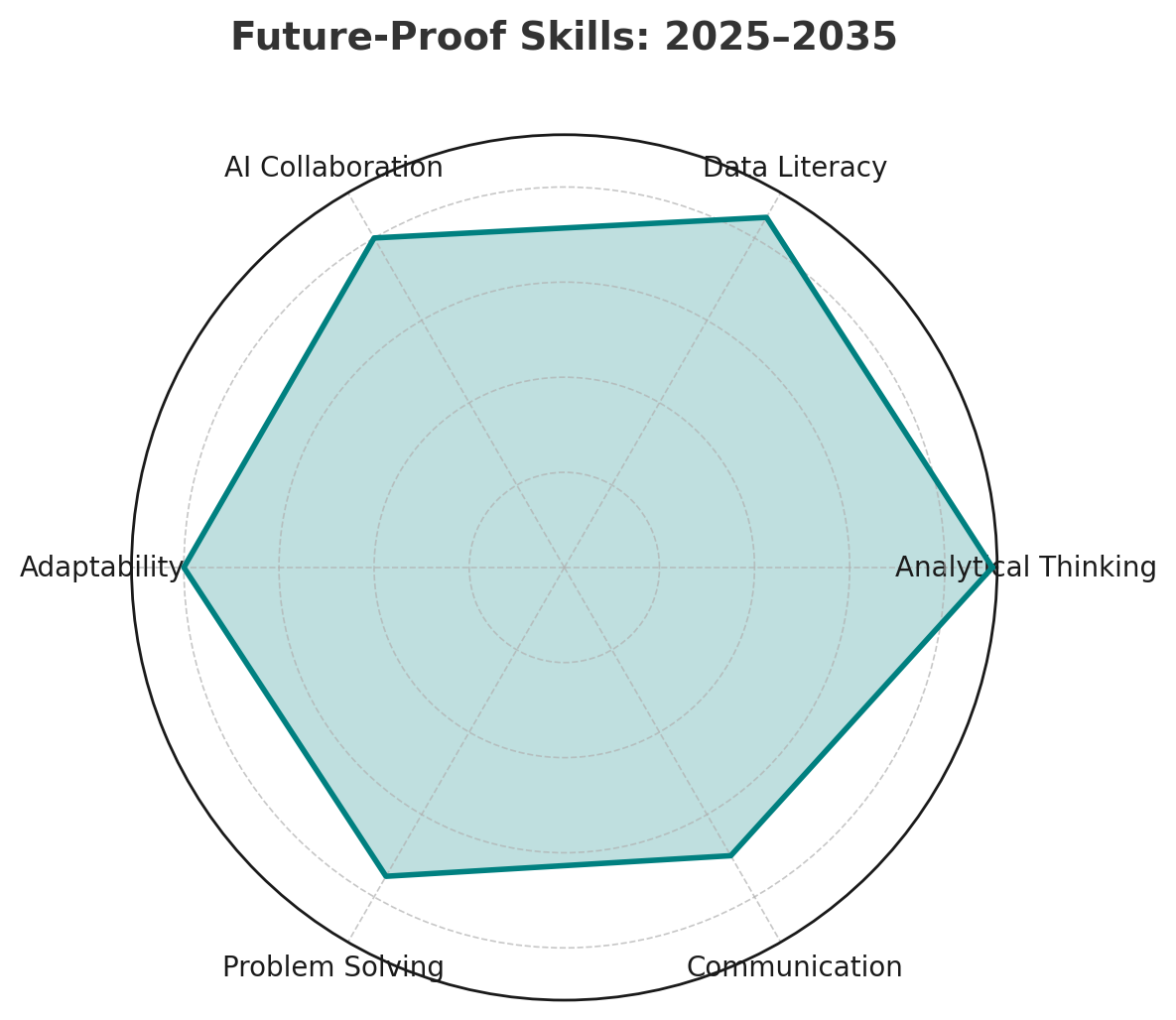
The World Economic Forum ranks "Analytical thinking" and "Data analysis" among the top 10 skills for the future. Not just for data analysts—for everyone. Because tomorrow’s job descriptions won’t say “must know SQL”, but they will say:

  • “Make decisions based on insights”

  • “Work with AI-generated analytics”

  • “Communicate results using evidence”

In other words: You won’t need to be technical, but you will need to be fluent.
🎯 Conclusion: Learn to Read the World

We often say data is “the new oil.” But that’s wrong. Data is not a commodity—it’s a language. And like any language, you don’t need to master it completely to become fluent enough to thrive.

Data literacy is about empowerment. It helps you make smarter choices, ask better questions, and stay relevant in a world shaped by numbers. The future belongs not just to those who code—but to those who can think with data.


Latest Articles

How Remote Work Reshaped Global Hiring

In March 2020, millions of workers packed up their laptops, stepped out of offices—and never came back. What started as an emergency shift during a global pandemic has become a permanent transformation of how companies hire, manage, and think about talent. Remote work didn’t just change where we work. It changed who gets hired, how careers evolve, and what skills matter most in a global economy. Three years later, we're not going back. Remote work has flattened the hiring landscape, turning formerly local job markets into global talent platforms. This isn’t just a workplace trend—it’s a reimagining of how work fits into life, and how companies compete for talent across time zones, not ZIP codes.

Careers & Skills of Tomorrow

Read » 1

How to Future-Proof Your Career: Navigating the Evolving Job Market

In today’s world, the only constant is change. The rapid pace of technological advancement, shifting societal trends, and global challenges make predicting the future of work seem like an impossible task. Yet, the need to adapt and prepare for these changes has never been more critical. As AI, automation, and digital transformation sweep across industries, many of the jobs we know today are evolving—or becoming obsolete. But rather than fearing this disruption, it’s an opportunity to future-proof your career. In fact, the skills you cultivate today can make you more resilient, agile, and indispensable in the workforce of tomorrow. So, how do you ensure that your career not only survives but thrives in the face of uncertainty? The answer lies in learning to embrace change, focusing on essential human qualities, and continuously evolving alongside technological advancements.

Careers & Skills of Tomorrow

Read » 0

Essential Skills for the AI Age: Thriving in a World That Thinks

We are living through a quiet revolution. Unlike the industrial booms of the past, today’s transformation doesn’t roar with machines or smoke—it hums through algorithms, speaks in code, and learns silently in the background. Artificial Intelligence isn’t coming for your job—it’s coming with your job. And that makes this moment not one of panic, but of potential. In the AI age, the value of being human is being recalibrated. The future won’t just reward what machines can’t do—it will reward those who can work alongside machines, augmenting intelligence with creativity, ethics, and adaptability. The question isn’t, “Will AI replace me?” but “How do I become irreplaceable in a world shaped by AI?”

Careers & Skills of Tomorrow

Read » 0

What Is a Prompt Engineer? Navigating the Future of AI-Driven Careers

As we move deeper into the age of artificial intelligence (AI), new professions are emerging that bridge the gap between human creativity and machine intelligence. One of the most fascinating and crucial of these roles is that of the Prompt Engineer. While the title may sound niche, it’s a profession with growing significance, especially as generative AI models—like ChatGPT, GPT-4, and DALL·E—become central to business processes across industries. But what exactly does a Prompt Engineer do, and why is this role so vital in a world increasingly powered by AI? In short, a Prompt Engineer crafts the inputs that AI systems need to generate meaningful, relevant, and accurate outputs. As AI tools become more advanced, the need for skilled individuals who can communicate effectively with machines will only increase. Understanding this role now can prepare professionals for the future of work.

Careers & Skills of Tomorrow

Read » 1

Green Careers: The Next Big Wave

In the face of climate change, economic uncertainty, and shifting technological landscapes, a new kind of career is rising: one that is climate-conscious, future-ready, and mission-driven. These are the “green careers” — roles that directly or indirectly contribute to preserving or restoring environmental quality. Governments are investing trillions in energy transitions. Companies are reinventing supply chains. And young people are demanding work that aligns with their values. This isn’t a passing trend — it's a profound shift in what it means to be employed in the 21st century. From solar engineers to circular economy designers, green careers are more than environmental—they're economic. And their growth is accelerating.

Careers & Skills of Tomorrow

Read » 0

Top Jobs That Didn't Exist 10 Years Ago — And What They Tell Us About the Future of Work

Ten years ago, no one was applying for jobs like “drone operator,” “UX writer,” or “AI prompt engineer.” Today, they’re not only real—they’re in high demand. As technology evolves and global priorities shift, the job market reshapes itself in real time, creating careers we couldn’t have imagined a decade ago. This article explores how new roles emerge, what skills are rising with them, and what that means for the future of work. If you're thinking about what to study or how to stay relevant, you're already asking the right questions.

Careers & Skills of Tomorrow

Read » 0